November 24, 2026
I Made a Logo for $100. They Still Use It Today. Here's What That Taught Me.
Two months of work, one hundred dollars, a logo still in use years later. What that gap taught me about pricing design work for a global market.

Let me do the math with you real quick.
Two months of work. Multiple meetings, multiple rounds of revisions, the full process of building a brand identity from scratch. A logo that the client is still using years later because it worked well enough to stick around. Total payment: one hundred dollars.
Less than minimum wage in Indonesia. Significantly less.
And somewhere on the other side of the same time period, Phoenix Dungeon was selling font licenses to people in countries where a hundred dollars is a very normal amount to spend on a single digital asset without thinking too hard about it.
Same effort. Different market. Completely different outcome.
How the $100 Logo Happened
I want to be fair to the situation before I make the argument it sets up.
I was in college. The client was connected to my campus. A lecturer brought me in because of that connection, and I went because that's what you do when a lecturer brings you in, especially when you're building a portfolio and you don't yet have the leverage to negotiate hard on price. The work was real and I took it seriously. The logo I made is still representing that organization today, which means it was good enough to survive contact with the real world, and that matters to me.
So I'm not bitter about the hundred dollars. It wasn't about the money at the time. It was about the opportunity, the experience, being part of something real.
But the lesson it contained was significant.
The Asymmetry That Changes Everything
Here is the cleanest version of the argument:
A small business owner in a country with a stronger currency will pay ten times what a large company in Indonesia paid me for a logo, and the small business owner will make that payment without hesitation because to them, it's a completely reasonable amount to spend on something that represents their business.
Think about what that means.
The effort I put into a logo is roughly the same regardless of who the client is. The research, the sketching, the refinement, the back and forth, the final delivery. The process doesn't change dramatically based on the geography of the person paying for it. What changes dramatically is the number on the invoice.
Indonesia has a strong design community. The talent is there. The technical skill is there. The creativity is absolutely there. And yet the local market pricing reflects local economic conditions, which means that the same work that commands a hundred dollars here commands a thousand dollars, sometimes more, in markets where spending a thousand dollars on branding is just how it's done.
The math on this is simple enough that I'm genuinely puzzled more people haven't just followed it to its logical conclusion. If your cost of living is Indonesian, your income doesn't have to be Indonesian. You can capture the gap between those two numbers and live very well off it. Not by doing more work. By selling the same work to people who have decided it's worth more.
That's what Phoenix Dungeon does. That's what the fonts we sell are priced at. Global market rates for global quality, made by someone living in Indonesia, which means the economics work out in a direction that makes sense.
The Part About Competition That Most People Get Wrong
When you start selling into a global market, especially one with established players, the natural instinct is to think carefully about competitors. Who else is doing this? How do we stack up against them? What's our advantage over the studio in Berlin or the foundry in New York?
I don't think about it that much. Not because competition doesn't exist, but because I think the framing is wrong.
Adidas and Nike have been competing directly for decades. Same category, often same customer, similar products, enormous overlap. And they both sell billions of dollars worth of shoes every year. Both of them. At the same time. In the same stores, on the same shelves.
The existence of one doesn't prevent the existence of the other. The success of one doesn't come at the direct expense of the other's survival. They're competing, yes, but they're also both just serving a market that is large enough to contain multiple players at very different scales.
Design is the same. There are thousands of font foundries in the world. Thousands of design studios. More designers selling work online than anyone has counted. And every single day, new projects get started by new clients who need something made, and those clients don't all end up at the same place. They end up wherever they find something that matches what they're looking for.
The global market for design work is not a fixed pie that gets divided among competitors. It's closer to an ocean. You're not fighting someone else for a slice. You're casting your net in a specific place and pulling up what's there.
I'd rather spend my energy making sure the net is well-built and in the right place than watching what the other boats are doing.
What Selling Globally Actually Requires
This is the part that doesn't get said enough: selling globally from Indonesia is accessible in a way that it wasn't ten years ago, but it does require something specific.
The work has to be good enough to compete at that level. Not perfect, not flawless, but solid enough that a customer who has seen what's available globally looks at what you've made and decides it belongs in the same conversation. That's a real bar. It's not insurmountable, but you can't ignore it.
The presentation has to match. A portfolio that looks like it was thrown together, a product page that doesn't communicate value clearly, a website that makes the work look smaller than it is. These things matter more in a global market than in a local one, because in a local market, relationships and referrals fill in the gaps. In a global market, the work and the way it's presented is often all you have.
And you have to price like you belong there. Pricing low because you're from Indonesia and you feel like you should charge less is one of the fastest ways to communicate that your work is worth less. The market doesn't know your cost of living. It knows your price, and it makes judgments based on that.
The logo I made for a hundred dollars was worth more than a hundred dollars. Not because I'm exceptional, but because good design work has a market value that exists independently of where the designer lives. When I started pricing Phoenix Dungeon's work at global market rates, nothing broke. People still bought. The work was good enough to support the price.
That's all it takes. The work, the presentation, and the decision to price it like it belongs in the conversation.
The Simplest Version of This
I'm from Indonesia. My costs are Indonesian. My income, through Phoenix Dungeon and the other things I've built, is increasingly not.
That gap is not something I feel guilty about. It's something I think every designer in a similar position should think seriously about. The world is large. The market is global. The internet doesn't charge you an export fee for selling a font license to someone in a different country.
The hundred dollar logo that's still in use taught me this earlier than I would have learned it otherwise. Not because it made me angry, but because the contrast was so clear. Same work, different market, completely different equation.
I chose the better equation.
If you're a designer reading this and you haven't yet seriously thought about who you're selling to and whether those people are the people most likely to pay what your work is actually worth, this is the nudge.
The work you're already doing might be worth ten times what you're charging for it. The customer who'll pay that price might just be in a different country.
The fonts we make at Phoenix Dungeon are priced for that market. Built in Indonesia, sold to the world. The math works out fine.
Related Articles
All articlesNov 17, 2026Founder Story

I'm 26 With Several Failed Companies. Here's Why I'm Not Worried.
Several companies that didn't work out, a SaaS that pays the bills, and a font foundry that gives me options. Why failing early isn't the same as losing.
Read more
Nov 10, 2026Freelance & Clients

Designing for Yourself vs Designing for Clients. The Difference Nobody Talks About Honestly.
Client work means feeding someone else's vision. Here's the honest, uncomfortable difference between designing for a client and designing for yourself.
Read more
Nov 3, 2026Founder Story
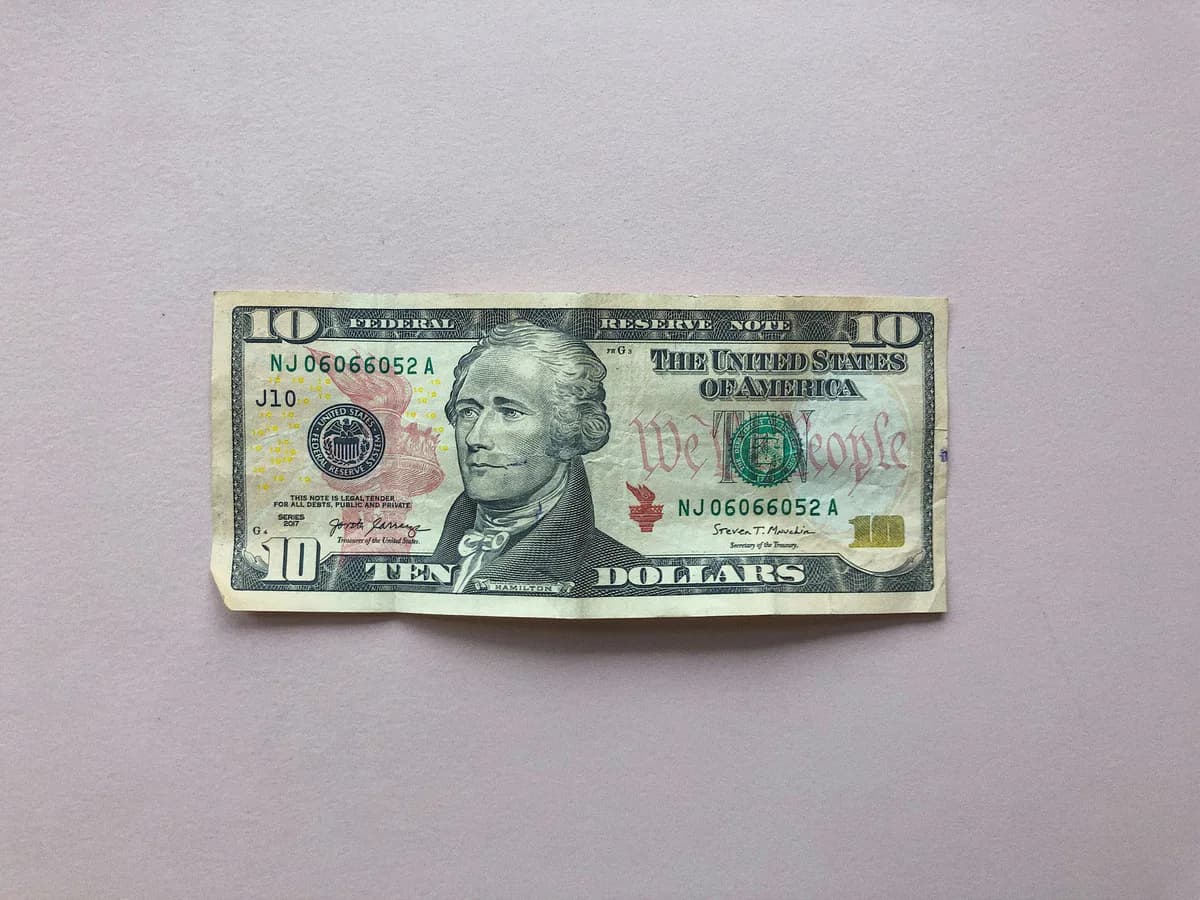
My First $10 Online. Why I Still Think About It Ten Years Later.
Before 150 fonts, before Phoenix Dungeon, there was one stranger who paid ten dollars for something I made. Why that number still matters most.
Read more